

Paul Tommasini
Chief Executive Officer
inCommunity Inc | Tenancy Skills Institute | inCommunity Connect | Beddown
- Examining the challenges of unaccompanied child homelessness in Australia and why this cohort has remained stubbornly hidden in policy and practice
- Analysing the range of allied adversities that flow from unaccompanied children’s homelessness and the resulting need for complex care provision experienced by them
- How to mitigate this current situation to focus on multiple agency coordination and engagement

Dr Catherine Robinson
Homelessness ColLAB and School of Social Sciences UTAS
UTAS
- Where can children and young people access a multi-disciplinary response through one pathway or process and not multiple pathways
- What role could youth specialist homelessness services and youth services play to streamline access for children and young people?
- How to use existing frameworks to provide integrated and streamlined responses for unaccompanied children and young people instead of reinventing another framework
- Examining international examples where the model has worked successfully

Trish Connolly
Chief Executive Officer
YFoundations
Dr Catherine Robinson
UTAS Homelessness ColLAB and School of Social Sciences UTAS
UTAS
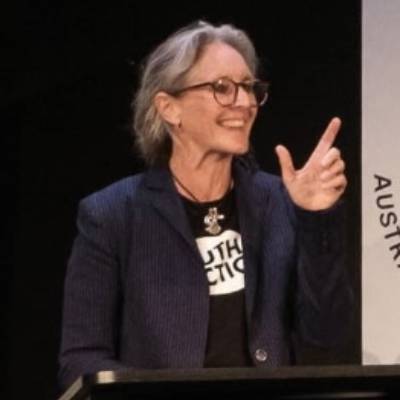
Kate Munro
Chief Executive Officer
Youth Action
- Lorem ipsum dolor sit amet, consectetur adipiscing elit. Ut elit tellus, luctus nec ullamcorper mattis, pulvinar dapibus leo.
- Lorem ipsum dolor sit amet, consectetur adipiscing elit. Ut elit tellus, luctus nec ullamcorper mattis, pulvinar dapibus leo.
- Lorem ipsum dolor sit amet, consectetur adipiscing elit. Ut elit tellus, luctus nec ullamcorper mattis, pulvinar dapibus leo.

Lorem ipsum
Lorem ipsum
Lorem ipsum
- Highlighting the success of early intervention with The Geelong Project in reducing adolescent homelessness and improving educational outcomes
- Exploring the Community of Schools and Services (COSS) model as a holistic approach to addressing youth homelessness, emphasising the importance of youth-centred, family-focused practice
- Discussing the significance of collaborative partnerships and shared information in creating effective interventions and showcasing how cross-sectoral collaboration can lead to sustainable solutions for vulnerable young people

Zak Davidson
Manager Youth Services
Meli
- Delivering prevention and intervention strategies for young people leaving care to prevent homelessness
- Delivering therapeutic programs and responses for young people with complex needs who are transitioning from care
- Engaging in cross sector partnerships that enable young people leaving care to make supported transitions to the community

Sharon Gough
Chief Executive Officer
Indigo Junction
- Supporting young mothers and their children to overcome the complexities of homelessness and housing instability
- How to provide a safe and localised community response
- Empowering young mothers through education to enable them to learn new skills, build their confidence, increase their self-esteem, build strong relationships and support networks
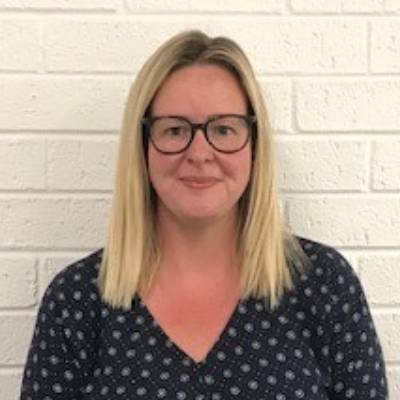
Kirsty McGeachy
Manager – Tenancy and Accommodation Services, Family and Community Services
MercyCare

Marie-Louise Carroll
Business Development Manager, Family and Community Services
MercyCare

Suzanne Caren
General Manager – Youth Wellbeing and Accommodation, Family and Community Services
MercyCare
- Lorem ipsum dolor sit amet, consectetur adipiscing elit. Ut elit tellus, luctus nec ullamcorper mattis, pulvinar dapibus leo.
- Lorem ipsum dolor sit amet, consectetur adipiscing elit. Ut elit tellus, luctus nec ullamcorper mattis, pulvinar dapibus leo.
- Lorem ipsum dolor sit amet, consectetur adipiscing elit. Ut elit tellus, luctus nec ullamcorper mattis, pulvinar dapibus leo.
Lorem ipsum
Lorem ipsum
Lorem ipsum
- How to change the perspective around young people and housing affordability
- Developing young people-centric support that is affordable and accessible to combat young people homelessness
- Supporting young people to be financially independent to achieve improved life outcomes
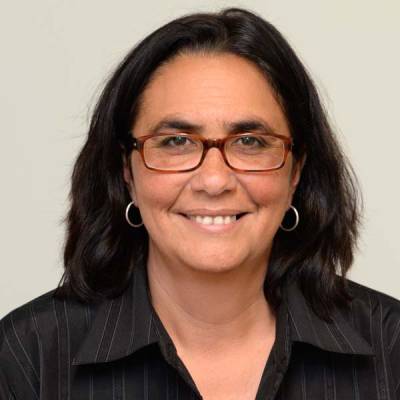
Suzanne Naden
Chief Executive Office
Bungree Aboriginal Association
- Identifying and developing key knowledge and critical skills needed to rent successfully
- Identifying systemic issues that contribute to tenancy instability and homelessness among youth
- Delivering a tenancy program through cross-sector collaboration
Paul Tommasini
Chief Executive Officer
inCommunity Inc | Tenancy Skills Institute | inCommunity Connect | Beddown

Alison Cole
General Manager
Youth Housing Project

Lucy Dodemaide
Coordinator of Youth Homelessness and Housing
Meli

Asha Bhat
Chief Executive Officer
Southern Aboriginal Corporation
- Lorem ipsum dolor sit amet, consectetur adipiscing elit. Ut elit tellus, luctus nec ullamcorper mattis, pulvinar dapibus leo.
- Lorem ipsum dolor sit amet, consectetur adipiscing elit. Ut elit tellus, luctus nec ullamcorper mattis, pulvinar dapibus leo.
- Lorem ipsum dolor sit amet, consectetur adipiscing elit. Ut elit tellus, luctus nec ullamcorper mattis, pulvinar dapibus leo.
Lorem ipsum
Lorem ipsum
Lorem ipsum
- How to work with innovative organisations to break the chains of homelessness and poverty
- Showcasing the success of Youth Projects X We Are Mobilise partnership and the Youth Projects X Melbourne City Mission partnership
- Examining how partnership and collaboration can reduce youth homelessness unemployment
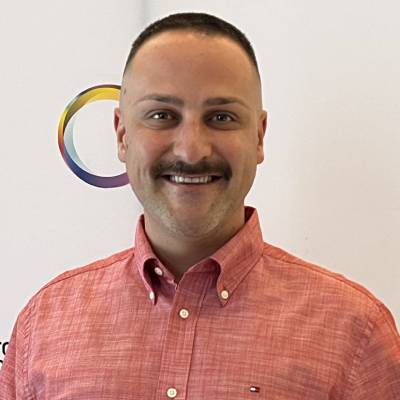
Ben Vasiliou
Chief Executive Officer
Youth Projects
- Prioritising the need for comprehensive interventions that address not only immediate challenges but also consider the interconnected aspects
- Examining the specialised service required to support and house young people who have high complex issues
- Using a complexity measure for identifying the levels of complexity young people have when doing their assessment to enter the service
Alison Cole
General Manager
Youth Housing Project

Karen Walsh GAICD
Chief Executive Officer
Venture Housing Company
- Examining existing and proposed policy frameworks aimed at addressing housing inequities and homelessness
- Exploring community-centric approaches and support systems that prioritise the needs of diverse populations, including Indigenous communities and marginalized groups
- Highlighting investments and future plans that prioritise long-term solutions to ensure housing stability for in the Northern Territory

Hon Ngaree Jane Ah Kit MLA
Minister for Territory Families, Minister for Urban Housing
Northern Territory Government
- Changing the narrative – housing is an essential infrastructure that brings benefits
- How to put the planning system to work for social and affordable housing
- Examining funding and financing mechanisms to support housing growth
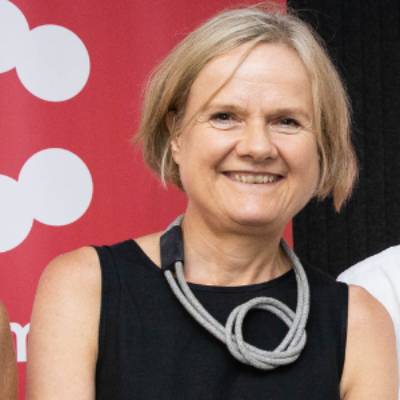
Wendy Hayhurst
Chief Executive Officer
Community Housing Industry Association
*Virtual presentation
- Focusing on the street homeless and rough sleepers – creating accommodation
- Advocating and arbitrating to zero in on homelessness in all its forms
- Crafting the moral and political will to meet universal housing rights
Gerry Georgatos
Founder
Georgatos Foundation

Chair:
Uncle Winston Cutts
Director
Margie’s Safe Space
Proprietor
Blossoms and Turf the Original Property Group
- Lorem ipsum dolor sit amet, consectetur adipiscing elit. Ut elit tellus, luctus nec ullamcorper mattis, pulvinar dapibus leo.
- Lorem ipsum dolor sit amet, consectetur adipiscing elit. Ut elit tellus, luctus nec ullamcorper mattis, pulvinar dapibus leo.
- Lorem ipsum dolor sit amet, consectetur adipiscing elit. Ut elit tellus, luctus nec ullamcorper mattis, pulvinar dapibus leo.
Lorem ipsum
Lorem ipsum
Lorem ipsum
- Developing culturally responsive solutions combating racism within the housing sector
- Implementing collaborative partnerships and advocacy
- Addressing structural inequities that have contributed to the disproportionate experiences of Indigenous peoples experiencing homelessness

Leonie Pickett
Coordinator Moorditj MiaProgram
Noongar Mia Mia
- Examining the multiple ill-effects of living in overcrowded dwellings
- Developing a mid-point for Indigenous culture and housing to deliver solutions to overcrowding
- Identifying the impact of overcrowding on mental health and wellbeing
Uncle Winston
Director
Margie’s Safe Space / Blossoms and Turf
- Examining the benefits of co-designing services with people with lived experience
- How to engage a person with lived experience to share their knowledge and expertise to improve services
- Developing services that meet the needs of Aboriginal and Torres Strait Islander people escaping Family and domestic violence
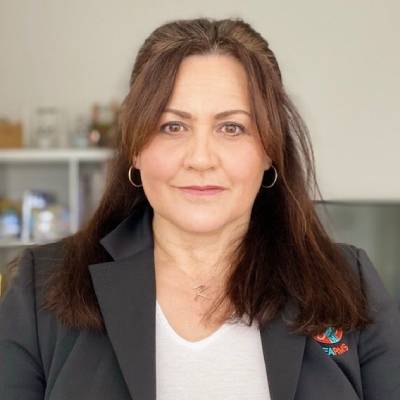
Kim Sinclair
Chief Executive Office
SEARMS Community Housing Aboriginal Corporation

Chair:
Annalisse Wirtz
National Housing Specialist
Workskil Australia
- Lorem ipsum dolor sit amet, consectetur adipiscing elit. Ut elit tellus, luctus nec ullamcorper mattis, pulvinar dapibus leo.
- Lorem ipsum dolor sit amet, consectetur adipiscing elit. Ut elit tellus, luctus nec ullamcorper mattis, pulvinar dapibus leo.
- Lorem ipsum dolor sit amet, consectetur adipiscing elit. Ut elit tellus, luctus nec ullamcorper mattis, pulvinar dapibus leo.
Lorem ipsum
Lorem ipsum
Lorem ipsum
- Explore the youth homelessness sector’s advocacy for a national standalone child and youth homelessness plan and whether the Australian Government responded to the urgency of this call.
- Review submissions that key youth homelessness stakeholders provided to the Australian Government during the consultation in 2023 and compare it to the final Plan.
- Identify the advocacy required to ensure that unaccompanied children and young people at risk of or experiencing homelessness get their needs met if there are significant gaps in the new Plan.
Trish Connolly
Chief Executive Officer
YFoundations
- Identifying and connecting with potential partners to support and enable holistic strategies to succeed
- Community based approach for sustainability
- Culturally appropriate holistic and wrap around support for successful tenancies
Asha Bhat
Chief Executive Officer
Southern Aboriginal Corporation

Steve Pinner
Team Lead
Southern Aboriginal Corporation
- Responding to the need that is data driven and evidence based
- Developing strategies to deliver a model of care that provides older people with quality care that’s tailored to their needs
- Why aren’t there more providers delivering these services and what needs to be done?

Mark Peacock
General Manager, Strategy, Transformation and Impact
HammondCare
- Lorem ipsum dolor sit amet, consectetur adipiscing elit. Ut elit tellus, luctus nec ullamcorper mattis, pulvinar dapibus leo.
- Lorem ipsum dolor sit amet, consectetur adipiscing elit. Ut elit tellus, luctus nec ullamcorper mattis, pulvinar dapibus leo.
- Lorem ipsum dolor sit amet, consectetur adipiscing elit. Ut elit tellus, luctus nec ullamcorper mattis, pulvinar dapibus leo.
Lorem ipsum
Lorem ipsum
Lorem ipsum
- Analysing collaborative research in progress and its process and methods
- Understanding ‘the problem’ and the need for engaged deep listening
- Partnering for outcomes, informed policy, service responses and prevention

Carol Atkinson
PhD Candidate
Charles Darwin University
- Setting strong foundations that promote community led thriving partnerships
- Co-designing services and programs that enhance cultural safety
- Building sector capacity and culturally safe responses to housing
Sharon Gough
Chief Executive Officer
Indigo Junction

John Mogdrige
Co- Chair
Karlup Aboriginal Corporation
- How to deliver a commercially viable project that is self-sustaining
- Developing strategies to collaborate with the private sector
- Delivering a project that prioritising First Nation’s wellbeing
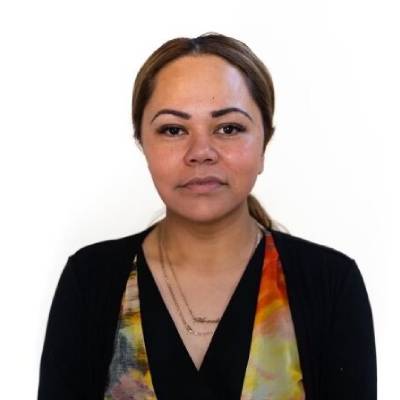
Alisi Tutuila
Chairperson
Aboriginal Housing Company
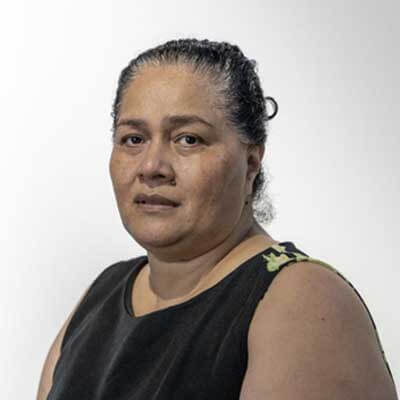
Lani Tuitavake
Chief Operating Officer
Aboriginal Housing Company
- Lorem ipsum dolor sit amet, consectetur adipiscing elit. Ut elit tellus, luctus nec ullamcorper mattis, pulvinar dapibus leo.
- Lorem ipsum dolor sit amet, consectetur adipiscing elit. Ut elit tellus, luctus nec ullamcorper mattis, pulvinar dapibus leo.
- Lorem ipsum dolor sit amet, consectetur adipiscing elit. Ut elit tellus, luctus nec ullamcorper mattis, pulvinar dapibus leo.
Lorem ipsum
Lorem ipsum
Lorem ipsum
- Tailoring pathways for lower-income clients to exit social and affordable housing and enter home ownership
- How we help to empower clients to become mortgage and homeowner ready
- How to increase the supply of community housing and affordable homes for purchase
- Harnessing the power of collaboration and innovation to help make the homeownership system fairer

Stephen Woodland
Founder and Managing Director
Head Start Homes
- Delivering economic independence and trauma recovery through a recovery-focused coaching model that partners with participants to build skills across domains
- Implementing a coaching framework in which participants set and achieve goals along a pathway which takes them from surviving to thriving
- Developing a successful program to support people out of housing crisis and into long-term, secure housing, improved wellbeing, increased income and increased financial resilience

Tanya Corrie
Chief Executive Officer
Juno
- Providing specialised services to tacking the existing challenges faced by asylum seekers
- Overcoming service barriers for women seeking asylum that are vulnerable to the impacts of domestic violence
- Delivering broader reforms needed to improve access to income support, housing, health care and a trauma-informed health and human services system

Frances Rush OAM
Chief Executive Officer
Asylum Seekers Centre
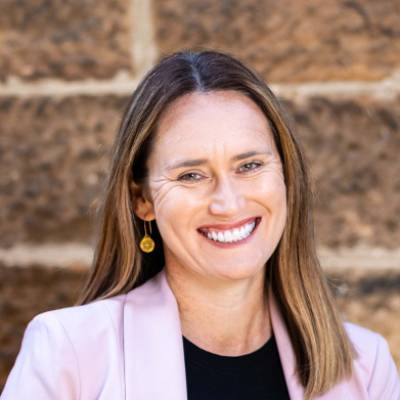
Dr Kate Davies
Policy and Research Manager
Homelessness NSW
Chair
Uncle Winston
Director
Margie’s Safe Space / Blossoms and Turf
- Lorem ipsum dolor sit amet, consectetur adipiscing elit. Ut elit tellus, luctus nec ullamcorper mattis, pulvinar dapibus leo.
- Lorem ipsum dolor sit amet, consectetur adipiscing elit. Ut elit tellus, luctus nec ullamcorper mattis, pulvinar dapibus leo.
- Lorem ipsum dolor sit amet, consectetur adipiscing elit. Ut elit tellus, luctus nec ullamcorper mattis, pulvinar dapibus leo.
Lorem ipsum
Lorem ipsum
Lorem ipsum
- Developing culturally responsive solutions combating racism within the housing sector
- Implementing collaborative partnerships and advocacy
- Addressing structural inequities that have contributed to the disproportionate experiences of Indigenous peoples experiencing homelessness
Leonie Pickett
Coordinator Moorditj MiaProgram
Noongar Mia Mia
- Examining the multiple ill-effects of living in overcrowded dwellings
- Developing a mid-point for Indigenous culture and housing to deliver solutions to overcrowding
- Identifying the impact of overcrowding on mental health and wellbeing
Uncle Winston
Director
Margie’s Safe Space / Blossoms and Turf
- Examining the benefits of co-designing services with people with lived experience
- How to engage a person with lived experience to share their knowledge and expertise to improve services
- Developing services that meet the needs of Aboriginal and Torres Strait Islander people escaping Family and domestic violence
Kim Sinclair
Chief Executive Office
SEARMS Community Housing Aboriginal Corporation
- Lorem ipsum dolor sit amet, consectetur adipiscing elit. Ut elit tellus, luctus nec ullamcorper mattis, pulvinar dapibus leo.
- Lorem ipsum dolor sit amet, consectetur adipiscing elit. Ut elit tellus, luctus nec ullamcorper mattis, pulvinar dapibus leo.
- Lorem ipsum dolor sit amet, consectetur adipiscing elit. Ut elit tellus, luctus nec ullamcorper mattis, pulvinar dapibus leo.
Lorem ipsum
Lorem ipsum
Lorem ipsum
- Analysing collaborative research in progress and its process and methods
- Understanding ‘the problem’ and the need for engaged deep listening
- Partnering for outcomes, informed policy, service responses and prevention
Carol Atkinson
PhD Candidate
Charles Darwin University
- Setting strong foundations that promote community led thriving partnerships
- Co-designing services and programs that enhance cultural safety
- Building sector capacity and culturally safe responses to housing
Sharon Gough
Chief Executive Officer
Indigo Junction
John Mogdrige
Co- Chair
Karlup Aboriginal Corporation
- How to deliver a commercially viable project that is self-sustaining
- Developing strategies to collaborate with the private sector
- Delivering a project that prioritising First Nation’s wellbeing
Alisi Tutuila
Chairperson
Aboriginal Housing Company
Lani Tuitavake
Chief Operating Officer
Aboriginal Housing Company
Chair
Annalisse Wirtz
National Housing Specialist
Workskil Australia
- Lorem ipsum dolor sit amet, consectetur adipiscing elit. Ut elit tellus, luctus nec ullamcorper mattis, pulvinar dapibus leo.
- Lorem ipsum dolor sit amet, consectetur adipiscing elit. Ut elit tellus, luctus nec ullamcorper mattis, pulvinar dapibus leo.
- Lorem ipsum dolor sit amet, consectetur adipiscing elit. Ut elit tellus, luctus nec ullamcorper mattis, pulvinar dapibus leo.
Lorem ipsum
Lorem ipsum
Lorem ipsum
- Explore the youth homelessness sector’s advocacy for a national standalone child and youth homelessness plan and whether the Australian Government responded to the urgency of this call.
- Review submissions that key youth homelessness stakeholders provided to the Australian Government during the consultation in 2023 and compare it to the final Plan.
- Identify the advocacy required to ensure that unaccompanied children and young people at risk of or experiencing homelessness get their needs met if there are significant gaps in the new Plan.
Trish Connolly
Chief Executive Officer
YFoundations
- Identifying and connecting with potential partners to support and enable holistic strategies to succeed
- Community based approach for sustainability
- Culturally appropriate holistic and wrap around support for successful tenancies
Asha Bhat
Chief Executive Officer
Southern Aboriginal Corporation
Steve Pinner
Team Lead
Southern Aboriginal Corporation
- Responding to the need that is data driven and evidence based
- Developing strategies to deliver a model of care that provides older people with quality care that’s tailored to their needs
- Why aren’t there more providers delivering these services and what needs to be done?
Mark Peacock
General Manager, Strategy, Transformation and Impact
HammondCare
- Lorem ipsum dolor sit amet, consectetur adipiscing elit. Ut elit tellus, luctus nec ullamcorper mattis, pulvinar dapibus leo.
- Lorem ipsum dolor sit amet, consectetur adipiscing elit. Ut elit tellus, luctus nec ullamcorper mattis, pulvinar dapibus leo.
- Lorem ipsum dolor sit amet, consectetur adipiscing elit. Ut elit tellus, luctus nec ullamcorper mattis, pulvinar dapibus leo.
Lorem ipsum
Lorem ipsum
Lorem ipsum
- Tailoring pathways for lower-income clients to exit social and affordable housing and enter home ownership
- How we help to empower clients to become mortgage and homeowner ready
- How to increase the supply of community housing and affordable homes for purchase
- Harnessing the power of collaboration and innovation to help make the homeownership system fairer
Stephen Woodland
Founder and Managing Director
Head Start Homes
- Delivering economic independence and trauma recovery through a recovery-focused coaching model that partners with participants to build skills across domains
- Implementing a coaching framework in which participants set and achieve goals along a pathway which takes them from surviving to thriving
- Developing a successful program to support people out of housing crisis and into long-term, secure housing, improved wellbeing, increased income and increased financial resilience
Tanya Corrie
Chief Executive Officer
Juno
- Providing specialised services to tacking the existing challenges faced by asylum seekers
- Overcoming service barriers for women seeking asylum that are vulnerable to the impacts of domestic violence
- Delivering broader reforms needed to improve access to income support, housing, health care and a trauma-informed health and human services system
Frances Rush OAM
Chief Executive Officer
Asylum Seekers Centre
Dr Kate Davies
Policy and Research Manager
Homelessness NSW
- Lorem ipsum dolor sit amet, consectetur adipiscing elit. Ut elit tellus, luctus nec ullamcorper mattis, pulvinar dapibus leo.
- Lorem ipsum dolor sit amet, consectetur adipiscing elit. Ut elit tellus, luctus nec ullamcorper mattis, pulvinar dapibus leo.
- Lorem ipsum dolor sit amet, consectetur adipiscing elit. Ut elit tellus, luctus nec ullamcorper mattis, pulvinar dapibus leo.
Lorem ipsum
Lorem ipsum
Lorem ipsum
- Providing an update from Canberra on the outcomes for the 2024 Budget
- Analysing the budget for the housing, homelessness and community services sector
- Exploring potential advocacy strategies and future directions to ensure sustained support and enhanced outcomes for individuals and communities affected by housing instability and homelessness

Emma Greenhalgh
Chief Executive Officer
National Shelter
*Virtual presentation
Opportunities under the Housing Australia Future Fund Facility (HAFFF) and National Housing Accord Facility (NHAF)
Addressing housing challenges and future directions
Providing a platform to explore innovative approaches, collaborations and strategies to address housing challenges, leveraging the initiatives of the HAFFF and NHAF

Nathan Dal Bon
Chief Executive Officer
Housing Australia



- Lorem ipsum dolor sit amet, consectetur adipiscing elit. Ut elit tellus, luctus nec ullamcorper mattis, pulvinar dapibus leo.
- Lorem ipsum dolor sit amet, consectetur adipiscing elit. Ut elit tellus, luctus nec ullamcorper mattis, pulvinar dapibus leo.
- Lorem ipsum dolor sit amet, consectetur adipiscing elit. Ut elit tellus, luctus nec ullamcorper mattis, pulvinar dapibus leo.
Lorem ipsum
Lorem ipsum
Lorem ipsum
Karen Walsh GAICD
Chief Executive Officer
Venture Housing Company
- Exploring a Homelessness Solutions Model Framework and the spectrum of responses required
- Reshaping how we invest in universal prevention and early interventions to end homelessness
- Analysing recommendations for the National Housing and Homelessness Plan post the 2024 Federal Budget.

Marion Bennett
Executive for Practice
Evidence and Impact, Mission Australia
- Explore how diverse sectors—government, non-profits, businesses, and community organizations—can synergize efforts to combat homelessness
- Leveraging Multi-Sector Partnerships to Create Lasting Change in Homelessness”
- Building Resilient Communities through Interconnected Collaborations to Eradicate Homelessness
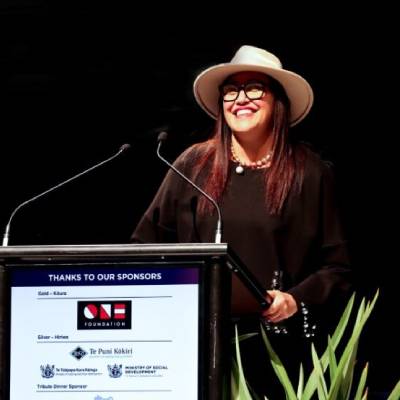
Haehaetu Barrett
Chief Executive Officer
Lifewise 
- How to provide housing that is affordable, stable, secure and for the long-term for Indigenous people
- Implementing policies that incentivise Indigenous people towards home ownership
- Focusing on the need to provide more services that cater specifically to Aboriginal and Torres Strait Islander people at risk of being homeless
Uncle Winston Cutts
Director
Margie’s Safe Space
Proprietor
Blossoms and Turf the Original Property Group
Haehaetu Barrett
Chief Executive Officer
Lifewise
Alisi Tutuila
Chief Executive Officer
Aboriginal Housing Company
Chair:
Uncle Winston Cutts
Director
Margie’s Safe Space
Proprietor
Blossoms and Turf the Original Property Group
- Lorem ipsum dolor sit amet, consectetur adipiscing elit. Ut elit tellus, luctus nec ullamcorper mattis, pulvinar dapibus leo.
- Lorem ipsum dolor sit amet, consectetur adipiscing elit. Ut elit tellus, luctus nec ullamcorper mattis, pulvinar dapibus leo.
- Lorem ipsum dolor sit amet, consectetur adipiscing elit. Ut elit tellus, luctus nec ullamcorper mattis, pulvinar dapibus leo.
Lorem ipsum
Lorem ipsum
Lorem ipsum
- How government’s social and affordable housing initiatives can best meet local need
- Drawing on community knowledge, support and innovative housing solutions
- Examining the benefits of gifting or discounting land to create affordable housing

Mike Collins
Principal Advisor – Social and Affordable Housing
Merri-Bek City Council
- Developing strategies to deliver a model that is replicable and scalable in all States and Territories
- Showcasing a first of its kind project in the NT
- Delivering 19 affordable homes for keyworkers, a partnership between Venture and a private owner utilising $1M grant from NT Government

Sarah Thurgood
Chief Operation Officer
Venture Housing Company
- Understanding the needs and aspirations of people in service and the partnerships needed to support them to achieve the results
- Harnessing innovative grass roots partnerships and collaborations to support safer connected communities and to improve people’s health and wellbeing
- How employment pathways support people’s aspirations for independence

Fiona Hamilton
Chief Executive Officer
LinkPeople
Chair:
Annalisse Wirtz
National Housing Specialist
Workskil Australia
- Lorem ipsum dolor sit amet, consectetur adipiscing elit. Ut elit tellus, luctus nec ullamcorper mattis, pulvinar dapibus leo.
- Lorem ipsum dolor sit amet, consectetur adipiscing elit. Ut elit tellus, luctus nec ullamcorper mattis, pulvinar dapibus leo.
- Lorem ipsum dolor sit amet, consectetur adipiscing elit. Ut elit tellus, luctus nec ullamcorper mattis, pulvinar dapibus leo.
Lorem ipsum
Lorem ipsum
Lorem ipsum
- Identifying and connecting with potential partners to support and enable success
- Busting the myths limiting customer perceptions and progression
- Analysing information sharing, the limitations, challenges and consent
Annalisse Wirtz
National Housing Specialist
Workskil Australia
- Developing a wrap-around service model that is built on robust foundations for long-term outcomes
- Developing early intervention models and provide access to the right support
- Prioritising the transition into long-term accommodation to break the cycle of homelessness

Paul Tommasin
Chief Executive Officer
inCommunity Inc | Tenancy Skills Institute | inCommunity Connect | Beddown
- Analysing the existing challenges arising from siloed data systems across multiple agencies and organisations involved in tackling homelessness
- Developing models to facilitate seamless communication and data sharing among diverse systems while upholding privacy and security
- Integrating data for transformative impact in homelessness prevention, service delivery, and resource allocation

Susan Richards
Executive Manager Community Services
Lutheran Care
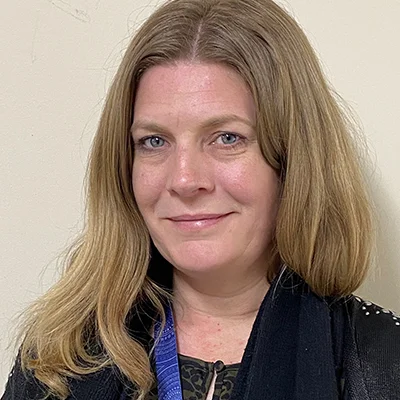
Kristy Allan
Senior Manager
Homelessness and Housing Services, Toward Home Lutheran Care
- Lorem ipsum dolor sit amet, consectetur adipiscing elit. Ut elit tellus, luctus nec ullamcorper mattis, pulvinar dapibus leo.
- Lorem ipsum dolor sit amet, consectetur adipiscing elit. Ut elit tellus, luctus nec ullamcorper mattis, pulvinar dapibus leo.
- Lorem ipsum dolor sit amet, consectetur adipiscing elit. Ut elit tellus, luctus nec ullamcorper mattis, pulvinar dapibus leo.
Lorem ipsum
Lorem ipsum
Lorem ipsum
- How to make sure renters get a good deal for better housing
- Delivering unit and affordable housing design for low-income groups
- Setting strong foundations to ensure design is well suited for environment and community

John Engeler
Chief Executive Officer
Shelter NSW
- Identifying and generating inter service collaboration for the homelessness sector
- Building a model that is based on the foundation of relationship building and trust of clients
- Providing impactful results for people experiencing or at-risk if homelessnes

Davyn de Bruyn
General Manager
Parramatta Mission
- How to design a one door approach model to deliver effective service
- Showcasing outcomes achieved from crisis accommodation to long-term accommodation
- Developing a model suited for every life stage to ensure pathway out of homelessness

Dushy Thangiah
Chief Executive Officer
Yumba Meta QLD
- Lorem ipsum dolor sit amet, consectetur adipiscing elit. Ut elit tellus, luctus nec ullamcorper mattis, pulvinar dapibus leo.
- Lorem ipsum dolor sit amet, consectetur adipiscing elit. Ut elit tellus, luctus nec ullamcorper mattis, pulvinar dapibus leo.
- Lorem ipsum dolor sit amet, consectetur adipiscing elit. Ut elit tellus, luctus nec ullamcorper mattis, pulvinar dapibus leo.
Lorem ipsum
Lorem ipsum
Lorem ipsum
- Examining the process of applying for social housing
- Analysing the impacts of waiting for housing accentuated by poverty
- How waitees described their experience of waiting for social housing

Professor Allan Moriss
Institute for Public Policy and Governance
UTS
In this interactive session attendees will get the opportunity to connect and share their own experiences with the audience.
- Empowering communities through research, sharing and learning, innovative collaboration and measurable outcomes for people experiencing homelessness
- Developing holistic approach for policy to implement inclusive and compassionate policies at local, national, and global levels
- Advocating and creating awareness to increase efforts that are crucial to destigmatizing homelessness and garnering support for systemic changes

David Pearson
Chief Executive Officer
Australian Alliance to End Homelessness
*Virtual presentation
Chair
Uncle Winston
Director
Margie’s Safe Space / Blossoms and Turf
- Lorem ipsum dolor sit amet, consectetur adipiscing elit. Ut elit tellus, luctus nec ullamcorper mattis, pulvinar dapibus leo.
- Lorem ipsum dolor sit amet, consectetur adipiscing elit. Ut elit tellus, luctus nec ullamcorper mattis, pulvinar dapibus leo.
- Lorem ipsum dolor sit amet, consectetur adipiscing elit. Ut elit tellus, luctus nec ullamcorper mattis, pulvinar dapibus leo.
Lorem ipsum
Lorem ipsum
Lorem ipsum
- How government’s social and affordable housing initiatives can best meet local need
- Drawing on community knowledge, support and innovative housing solutions
- Examining the benefits of gifting or discounting land to create affordable housing
Mike Collins
Principal Advisor – Social and Affordable Housing
Merri-Bek City Council
- Developing strategies to deliver a model that is replicable and scalable in all States and Territories
- Showcasing a first of its kind project in the NT
- Delivering 19 affordable homes for keyworkers, a partnership between Venture and a private owner utilising $1M grant from NT Government
Sarah Thurgood
Chief Operation Officer
Venture Housing Company
- Understanding the needs and aspirations of people in service and the partnerships needed to support them to achieve the results
- Harnessing innovative grass roots partnerships and collaborations to support safer connected communities and to improve people’s health and wellbeing
- How employment pathways support people’s aspirations for independence
Fiona Hamilton
Chief Executive Officer
LinkPeople
- Lorem ipsum dolor sit amet, consectetur adipiscing elit. Ut elit tellus, luctus nec ullamcorper mattis, pulvinar dapibus leo.
- Lorem ipsum dolor sit amet, consectetur adipiscing elit. Ut elit tellus, luctus nec ullamcorper mattis, pulvinar dapibus leo.
- Lorem ipsum dolor sit amet, consectetur adipiscing elit. Ut elit tellus, luctus nec ullamcorper mattis, pulvinar dapibus leo.
Lorem ipsum
Lorem ipsum
Lorem ipsum
- How to make sure renters get a good deal for better housing
- Delivering unit and affordable housing design for low-income groups
- Setting strong foundations to ensure design is well suited for environment and community
John Engeler
Chief Executive Officer
Shelter NSW
- Identifying and generating inter service collaboration for the homelessness sector
- Building a model that is based on the foundation of relationship building and trust of clients
- Providing impactful results for people experiencing or at-risk if homelessnes
Davyn de Bruyn
General Manager
Parramatta Mission
- How to design a one door approach model to deliver effective service
- Showcasing outcomes achieved from crisis accommodation to long-term accommodation
- Developing a model suited for every life stage to ensure pathway out of homelessness
Dushy Thangiah
Chief Executive Officer
Yumba Meta QLD
Chair
Annalisse Wirtz
National Housing Specialist
Workskil Australia
- Lorem ipsum dolor sit amet, consectetur adipiscing elit. Ut elit tellus, luctus nec ullamcorper mattis, pulvinar dapibus leo.
- Lorem ipsum dolor sit amet, consectetur adipiscing elit. Ut elit tellus, luctus nec ullamcorper mattis, pulvinar dapibus leo.
- Lorem ipsum dolor sit amet, consectetur adipiscing elit. Ut elit tellus, luctus nec ullamcorper mattis, pulvinar dapibus leo.
Lorem ipsum
Lorem ipsum
Lorem ipsum
- Identifying and connecting with potential partners to support and enable success
- Busting the myths limiting customer perceptions and progression
- Analysing information sharing, the limitations, challenges and consent
Annalisse Wirtz
National Housing Specialist
Workskil Australia
- Developing a wrap-around service model that is built on robust foundations for long-term outcomes
- Developing early intervention models and provide access to the right support
- Prioritising the transition into long-term accommodation to break the cycle of homelessness
Paul Tommasin
Chief Executive Officer
inCommunity Inc | Tenancy Skills Institute | inCommunity Connect | Beddown
- Analysing the existing challenges arising from siloed data systems across multiple agencies and organisations involved in tackling homelessness
- Developing models to facilitate seamless communication and data sharing among diverse systems while upholding privacy and security
- Integrating data for transformative impact in homelessness prevention, service delivery, and resource allocation
Susan Richards
Executive Manager Community Services
Lutheran Care
Kristy Allan
Senior Manager
Homelessness and Housing Services, Toward Home Lutheran Care
- Lorem ipsum dolor sit amet, consectetur adipiscing elit. Ut elit tellus, luctus nec ullamcorper mattis, pulvinar dapibus leo.
- Lorem ipsum dolor sit amet, consectetur adipiscing elit. Ut elit tellus, luctus nec ullamcorper mattis, pulvinar dapibus leo.
- Lorem ipsum dolor sit amet, consectetur adipiscing elit. Ut elit tellus, luctus nec ullamcorper mattis, pulvinar dapibus leo.
Lorem ipsum
Lorem ipsum
Lorem ipsum
- Examining the process of applying for social housing
- Analysing the impacts of waiting for housing accentuated by poverty
- How waitees described their experience of waiting for social housing
Professor Allan Moriss
Institute for Public Policy and Governance
UTS
- Fostering thriving communities by collaborating to harness organisational strengths that align with local communities
- Implementing strategic and missional alignment to create safe and sustainable housing
- Working in partnership to nurture healthy and connected individuals and communities
- Building models and placemaking that align with local communities

Irena Baric
State Manger
Salvation Army
- Empowering communities through research, sharing and learning, innovative collaboration and measurable outcomes for people experiencing homelessness
- Developing holistic approach for policy to implement inclusive and compassionate policies at local, national, and global levels
- Advocating and creating awareness to increase efforts that are crucial to destigmatizing homelessness and garnering support for systemic changes
David Pearson
Chief Executive Officer
Australian Alliance to End Homelessness
*Virtual presentation
- Lorem ipsum dolor sit amet, consectetur adipiscing elit. Ut elit tellus, luctus nec ullamcorper mattis, pulvinar dapibus leo.
- Lorem ipsum dolor sit amet, consectetur adipiscing elit. Ut elit tellus, luctus nec ullamcorper mattis, pulvinar dapibus leo.
- Lorem ipsum dolor sit amet, consectetur adipiscing elit. Ut elit tellus, luctus nec ullamcorper mattis, pulvinar dapibus leo.
Lorem ipsum
Lorem ipsum
Lorem ipsum
- Discussing the importance of government partnerships and accountability for priority reforms
- Exploring genuine partnerships necessary for a self-determined future by drawing insights from the Housing Policy Partnership, the Department of Infrastructure, and the University of Adelaide research collective
- Examining innovative approaches to Aboriginal and Torres Strait Islander housing, including alternative funding, ownership, and management models
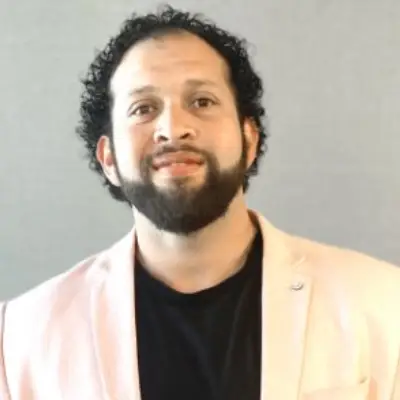
Zachariah Matysek
Chief Operating Officer
National Aboriginal and Torres Strait Islander Housing Association (NATSIHA)
- Examining the Together Home program, achieving an over 90% success in maintaining successful tenancies and support for long-term homelessness and our DFV service from crisis to securely housed
- Exploring strategies ensuring safe, secure, long-term housing, coupled with robust support.
- Uncovering the dynamics of successful collaboration and scaling access to critical services for people with complex needs
- Gaining insights into our tailored, person-centred, trauma informed services, fostering empowerment, and reconnecting people with family and community

Margaret Maljkovic
Chief Customer Officer
Link Wentworth
- Discussing overview of the main drivers of homelessness for women
- Showcasing successful models of housing
- Advocating a case for investing in a Housing First approach
- Lorem ipsum dolor sit amet, consectetur adipiscing elit. Ut elit tellus, luctus nec ullamcorper mattis, pulvinar dapibus leo.
- Lorem ipsum dolor sit amet, consectetur adipiscing elit. Ut elit tellus, luctus nec ullamcorper mattis, pulvinar dapibus leo.
- Lorem ipsum dolor sit amet, consectetur adipiscing elit. Ut elit tellus, luctus nec ullamcorper mattis, pulvinar dapibus leo.
Lorem ipsum
Lorem ipsum
Lorem ipsum
Addressing the escalating rates of homelessness among Indigenous Australians remains a critical concern. The stark reality persists: Indigenous individuals are disproportionately impacted, facing a staggering 15-fold higher likelihood of experiencing homelessness compared to their non-Indigenous counterparts. Root causes such as racism, land dispossession, enduring economic disparities, and cultural barriers perpetuate this alarming trend.
In this dynamic and participatory workshop, participants will gain invaluable insights and a comprehensive toolkit to effectively navigate the multifaceted challenges hindering culturally appropriate support for Indigenous Australians confronting homelessness.
At this hands-on workshop, discover how to:
- Develop innovative approaches and collaborative interventions aimed at mitigating and diminishing homelessness within First Nations communities
- Tailor cultural support systems to provide culturally sensitive and effective models for Indigenous families at risk of or experiencing homelessness
- Develop tangible and contextually relevant solutions that facilitate the transition of First Nations individuals toward suitable and culturally appropriate housing alternatives
- Identify and address the specific needs of vulnerable groups within Indigenous communities, fostering inclusive and comprehensive support services
- Empower at-risk Indigenous populations facing homelessness by fostering pathways to financial stability and autonomy, promoting resilience and self-sufficiency
Facilitators:

Tina Ugle
Managing Director
Noongar Mia Mia
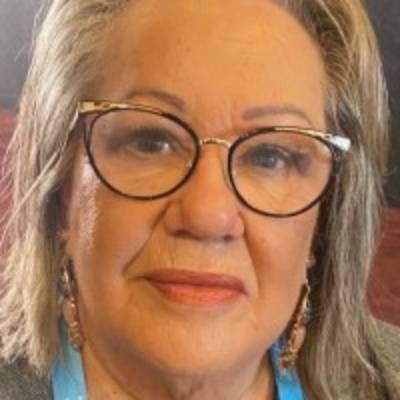
Sandra Harben
Cultural Advisor
Noongar Mia Mia
- Lorem ipsum dolor sit amet, consectetur adipiscing elit. Ut elit tellus, luctus nec ullamcorper mattis, pulvinar dapibus leo.
- Lorem ipsum dolor sit amet, consectetur adipiscing elit. Ut elit tellus, luctus nec ullamcorper mattis, pulvinar dapibus leo.
- Lorem ipsum dolor sit amet, consectetur adipiscing elit. Ut elit tellus, luctus nec ullamcorper mattis, pulvinar dapibus leo.
Lorem ipsum
Lorem ipsum
Lorem ipsum
Collaboration across sectors stands as a linchpin in enhancing service accessibility and quality, significantly impacting the well-being of those grappling with homelessness. Nevertheless, forging, nurturing and sustaining effective partnerships often pose inherent challenges.
Join this workshop for insights into fostering successful collaborations, essential in achieving positive outcomes within the housing and homelessness sector.
At this hands-on workshop, discover how to:
- Harness the potential of cross-sector partnerships and explore the catalytic role of collaboration in expediting homelessness solutions by bringing together diverse sectors and expertise
- Leverage Indigenous perspectives and engage First Nations individuals to leverage their insights and knowledge, ensuring culturally informed services for Indigenous populations facing or at risk of homelessness
- Analyze partnership dynamics and identify pivotal traits distinguishing successful collaborations from ineffective ones, drawing upon shared characteristics and elements essential for sustainable partnerships
- Expand service reach through learning methods to organically grow service delivery and accessibility by leveraging collaborative partnerships, aiming for gradual yet impactful expansion
- Cultivate mutually beneficial networks to build robust networks through collaborative efforts, fostering relationships that drive toward mutually advantageous objectives in service delivery
Facilitator:
Uncle Winston
Director
Margie’s Safe Space and Director / Blossoms and Turf
Paul Tommasini
Chief Executive Officer
inCommunity Inc | Tenancy Skills Institute | inCommunity Connect | Beddown
- Examining the challenges of unaccompanied child homelessness in Australia and why this cohort has remained stubbornly hidden in policy and practice
- Analysing the range of allied adversities that flow from unaccompanied children’s homelessness and the resulting need for complex care provision experienced by them
- How to mitigate this current situation to focus on multiple agency coordination and engagement
Dr Catherine Robinson
Homelessness ColLAB and School of Social Sciences UTAS
UTAS
- Where can children and young people access a multi-disciplinary response through one pathway or process and not multiple pathways
- What role could youth specialist homelessness services and youth services play to streamline access for children and young people?
- How to use existing frameworks to provide integrated and streamlined responses for unaccompanied children and young people instead of reinventing another framework
- Examining international examples where the model has worked successfully
Trish Connolly
Chief Executive Officer
YFoundations
Dr Catherine Robinson
UTAS Homelessness ColLAB and School of Social Sciences UTAS
UTAS
Kate Munro
Chief Executive Officer
Youth Action
- Lorem ipsum dolor sit amet, consectetur adipiscing elit. Ut elit tellus, luctus nec ullamcorper mattis, pulvinar dapibus leo.
- Lorem ipsum dolor sit amet, consectetur adipiscing elit. Ut elit tellus, luctus nec ullamcorper mattis, pulvinar dapibus leo.
- Lorem ipsum dolor sit amet, consectetur adipiscing elit. Ut elit tellus, luctus nec ullamcorper mattis, pulvinar dapibus leo.
Lorem ipsum
Lorem ipsum
Lorem ipsum
- Highlighting the success of early intervention with The Geelong Project in reducing adolescent homelessness and improving educational outcomes
- Exploring the Community of Schools and Services (COSS) model as a holistic approach to addressing youth homelessness, emphasising the importance of youth-centred, family-focused practice
- Discussing the significance of collaborative partnerships and shared information in creating effective interventions and showcasing how cross-sectoral collaboration can lead to sustainable solutions for vulnerable young people
Zak Davidson
Manager Youth Services
Meli
- Delivering prevention and intervention strategies for young people leaving care to prevent homelessness
- Delivering therapeutic programs and responses for young people with complex needs who are transitioning from care
- Engaging in cross sector partnerships that enable young people leaving care to make supported transitions to the community
Sharon Gough
Chief Executive Officer
Indigo Junction
- Supporting young mothers and their children to overcome the complexities of homelessness and housing instability
- How to provide a safe and localised community response
- Empowering young mothers through education to enable them to learn new skills, build their confidence, increase their self-esteem, build strong relationships and support networks
Kirsty McGeachy
Manager – Tenancy and Accommodation Services, Family and Community Services
MercyCare
Marie-Louise Carroll
Business Development Manager, Family and Community Services
MercyCare
Suzanne Caren
General Manager – Youth Wellbeing and Accommodation, Family and Community Services
MercyCare
- Lorem ipsum dolor sit amet, consectetur adipiscing elit. Ut elit tellus, luctus nec ullamcorper mattis, pulvinar dapibus leo.
- Lorem ipsum dolor sit amet, consectetur adipiscing elit. Ut elit tellus, luctus nec ullamcorper mattis, pulvinar dapibus leo.
- Lorem ipsum dolor sit amet, consectetur adipiscing elit. Ut elit tellus, luctus nec ullamcorper mattis, pulvinar dapibus leo.
Lorem ipsum
Lorem ipsum
Lorem ipsum
- How to change the perspective around young people and housing affordability
- Developing young people-centric support that is affordable and accessible to combat young people homelessness
- Supporting young people to be financially independent to achieve improved life outcomes
Suzanne Naden
Chief Executive Office
Bungree Aboriginal Association
- Identifying and developing key knowledge and critical skills needed to rent successfully
- Identifying systemic issues that contribute to tenancy instability and homelessness among youth
- Delivering a tenancy program through cross-sector collaboration
Paul Tommasini
Chief Executive Officer
inCommunity Inc | Tenancy Skills Institute | inCommunity Connect | Beddown
Alison Cole
General Manager
Youth Housing Project
Lucy Dodemaide
Coordinator of Youth Homelessness and Housing
Meli
Asha Bhat
Chief Executive Officer
Southern Aboriginal Corporation
- Lorem ipsum dolor sit amet, consectetur adipiscing elit. Ut elit tellus, luctus nec ullamcorper mattis, pulvinar dapibus leo.
- Lorem ipsum dolor sit amet, consectetur adipiscing elit. Ut elit tellus, luctus nec ullamcorper mattis, pulvinar dapibus leo.
- Lorem ipsum dolor sit amet, consectetur adipiscing elit. Ut elit tellus, luctus nec ullamcorper mattis, pulvinar dapibus leo.
Lorem ipsum
Lorem ipsum
Lorem ipsum
- How to work with innovative organisations to break the chains of homelessness and poverty
- Showcasing the success of Youth Projects X We Are Mobilise partnership and the Youth Projects X Melbourne City Mission partnership
- Examining how partnership and collaboration can reduce youth homelessness unemployment
Ben Vasiliou
Chief Executive Officer
Youth Projects
- Prioritising the need for comprehensive interventions that address not only immediate challenges but also consider the interconnected aspects
- Examining the specialised service required to support and house young people who have high complex issues
- Using a complexity measure for identifying the levels of complexity young people have when doing their assessment to enter the service
Alison Cole
General Manager
Youth Housing Project
Karen Walsh GAICD
Chief Executive Officer
Venture Housing Company
- Examining existing and proposed policy frameworks aimed at addressing housing inequities and homelessness
- Exploring community-centric approaches and support systems that prioritise the needs of diverse populations, including Indigenous communities and marginalized groups
- Highlighting investments and future plans that prioritise long-term solutions to ensure housing stability for in the Northern Territory
Hon Ngaree Jane Ah Kit MLA
Minister for Territory Families, Minister for Urban Housing
Northern Territory Government
- Changing the narrative – housing is an essential infrastructure that brings benefits
- How to put the planning system to work for social and affordable housing
- Examining funding and financing mechanisms to support housing growth
Wendy Hayhurst
Chief Executive Officer
Community Housing Industry Association
*Virtual presentation
- Focusing on the street homeless and rough sleepers – creating accommodation
- Advocating and arbitrating to zero in on homelessness in all its forms
- Crafting the moral and political will to meet universal housing rights
Gerry Georgatos
Founder
Georgatos Foundation
Chair:
Uncle Winston Cutts
Director
Margie’s Safe Space
Proprietor
Blossoms and Turf the Original Property Group
- Lorem ipsum dolor sit amet, consectetur adipiscing elit. Ut elit tellus, luctus nec ullamcorper mattis, pulvinar dapibus leo.
- Lorem ipsum dolor sit amet, consectetur adipiscing elit. Ut elit tellus, luctus nec ullamcorper mattis, pulvinar dapibus leo.
- Lorem ipsum dolor sit amet, consectetur adipiscing elit. Ut elit tellus, luctus nec ullamcorper mattis, pulvinar dapibus leo.
Lorem ipsum
Lorem ipsum
Lorem ipsum
- Developing culturally responsive solutions combating racism within the housing sector
- Implementing collaborative partnerships and advocacy
- Addressing structural inequities that have contributed to the disproportionate experiences of Indigenous peoples experiencing homelessness
Leonie Pickett
Coordinator Moorditj MiaProgram
Noongar Mia Mia
- Examining the multiple ill-effects of living in overcrowded dwellings
- Developing a mid-point for Indigenous culture and housing to deliver solutions to overcrowding
- Identifying the impact of overcrowding on mental health and wellbeing
Uncle Winston
Director
Margie’s Safe Space / Blossoms and Turf
- Examining the benefits of co-designing services with people with lived experience
- How to engage a person with lived experience to share their knowledge and expertise to improve services
- Developing services that meet the needs of Aboriginal and Torres Strait Islander people escaping Family and domestic violence
Kim Sinclair
Chief Executive Office
SEARMS Community Housing Aboriginal Corporation
Chair:
Annalisse Wirtz
National Housing Specialist
Workskil Australia
- Lorem ipsum dolor sit amet, consectetur adipiscing elit. Ut elit tellus, luctus nec ullamcorper mattis, pulvinar dapibus leo.
- Lorem ipsum dolor sit amet, consectetur adipiscing elit. Ut elit tellus, luctus nec ullamcorper mattis, pulvinar dapibus leo.
- Lorem ipsum dolor sit amet, consectetur adipiscing elit. Ut elit tellus, luctus nec ullamcorper mattis, pulvinar dapibus leo.
Lorem ipsum
Lorem ipsum
Lorem ipsum
- Explore the youth homelessness sector’s advocacy for a national standalone child and youth homelessness plan and whether the Australian Government responded to the urgency of this call.
- Review submissions that key youth homelessness stakeholders provided to the Australian Government during the consultation in 2023 and compare it to the final Plan.
- Identify the advocacy required to ensure that unaccompanied children and young people at risk of or experiencing homelessness get their needs met if there are significant gaps in the new Plan.
Trish Connolly
Chief Executive Officer
YFoundations
- Identifying and connecting with potential partners to support and enable holistic strategies to succeed
- Community based approach for sustainability
- Culturally appropriate holistic and wrap around support for successful tenancies
Asha Bhat
Chief Executive Officer
Southern Aboriginal Corporation
Steve Pinner
Team Lead
Southern Aboriginal Corporation
- Responding to the need that is data driven and evidence based
- Developing strategies to deliver a model of care that provides older people with quality care that’s tailored to their needs
- Why aren’t there more providers delivering these services and what needs to be done?
Mark Peacock
General Manager, Strategy, Transformation and Impact
HammondCare
- Lorem ipsum dolor sit amet, consectetur adipiscing elit. Ut elit tellus, luctus nec ullamcorper mattis, pulvinar dapibus leo.
- Lorem ipsum dolor sit amet, consectetur adipiscing elit. Ut elit tellus, luctus nec ullamcorper mattis, pulvinar dapibus leo.
- Lorem ipsum dolor sit amet, consectetur adipiscing elit. Ut elit tellus, luctus nec ullamcorper mattis, pulvinar dapibus leo.
Lorem ipsum
Lorem ipsum
Lorem ipsum
- Analysing collaborative research in progress and its process and methods
- Understanding ‘the problem’ and the need for engaged deep listening
- Partnering for outcomes, informed policy, service responses and prevention
Carol Atkinson
PhD Candidate
Charles Darwin University
- Setting strong foundations that promote community led thriving partnerships
- Co-designing services and programs that enhance cultural safety
- Building sector capacity and culturally safe responses to housing
Sharon Gough
Chief Executive Officer
Indigo Junction
John Mogdrige
Co- Chair
Karlup Aboriginal Corporation
- How to deliver a commercially viable project that is self-sustaining
- Developing strategies to collaborate with the private sector
- Delivering a project that prioritising First Nation’s wellbeing
Alisi Tutuila
Chairperson
Aboriginal Housing Company
Lani Tuitavake
Chief Operating Officer
Aboriginal Housing Company
- Lorem ipsum dolor sit amet, consectetur adipiscing elit. Ut elit tellus, luctus nec ullamcorper mattis, pulvinar dapibus leo.
- Lorem ipsum dolor sit amet, consectetur adipiscing elit. Ut elit tellus, luctus nec ullamcorper mattis, pulvinar dapibus leo.
- Lorem ipsum dolor sit amet, consectetur adipiscing elit. Ut elit tellus, luctus nec ullamcorper mattis, pulvinar dapibus leo.
Lorem ipsum
Lorem ipsum
Lorem ipsum
- Tailoring pathways for lower-income clients to exit social and affordable housing and enter home ownership
- How we help to empower clients to become mortgage and homeowner ready
- How to increase the supply of community housing and affordable homes for purchase
- Harnessing the power of collaboration and innovation to help make the homeownership system fairer
Stephen Woodland
Founder and Managing Director
Head Start Homes
- Delivering economic independence and trauma recovery through a recovery-focused coaching model that partners with participants to build skills across domains
- Implementing a coaching framework in which participants set and achieve goals along a pathway which takes them from surviving to thriving
- Developing a successful program to support people out of housing crisis and into long-term, secure housing, improved wellbeing, increased income and increased financial resilience
Tanya Corrie
Chief Executive Officer
Juno
- Providing specialised services to tacking the existing challenges faced by asylum seekers
- Overcoming service barriers for women seeking asylum that are vulnerable to the impacts of domestic violence
- Delivering broader reforms needed to improve access to income support, housing, health care and a trauma-informed health and human services system
Frances Rush OAM
Chief Executive Officer
Asylum Seekers Centre
Dr Kate Davies
Policy and Research Manager
Homelessness NSW
Chair
Uncle Winston
Director
Margie’s Safe Space / Blossoms and Turf
- Lorem ipsum dolor sit amet, consectetur adipiscing elit. Ut elit tellus, luctus nec ullamcorper mattis, pulvinar dapibus leo.
- Lorem ipsum dolor sit amet, consectetur adipiscing elit. Ut elit tellus, luctus nec ullamcorper mattis, pulvinar dapibus leo.
- Lorem ipsum dolor sit amet, consectetur adipiscing elit. Ut elit tellus, luctus nec ullamcorper mattis, pulvinar dapibus leo.
Lorem ipsum
Lorem ipsum
Lorem ipsum
- Developing culturally responsive solutions combating racism within the housing sector
- Implementing collaborative partnerships and advocacy
- Addressing structural inequities that have contributed to the disproportionate experiences of Indigenous peoples experiencing homelessness
Leonie Pickett
Coordinator Moorditj MiaProgram
Noongar Mia Mia
- Examining the multiple ill-effects of living in overcrowded dwellings
- Developing a mid-point for Indigenous culture and housing to deliver solutions to overcrowding
- Identifying the impact of overcrowding on mental health and wellbeing
Uncle Winston
Director
Margie’s Safe Space / Blossoms and Turf
- Examining the benefits of co-designing services with people with lived experience
- How to engage a person with lived experience to share their knowledge and expertise to improve services
- Developing services that meet the needs of Aboriginal and Torres Strait Islander people escaping Family and domestic violence
Kim Sinclair
Chief Executive Office
SEARMS Community Housing Aboriginal Corporation
- Lorem ipsum dolor sit amet, consectetur adipiscing elit. Ut elit tellus, luctus nec ullamcorper mattis, pulvinar dapibus leo.
- Lorem ipsum dolor sit amet, consectetur adipiscing elit. Ut elit tellus, luctus nec ullamcorper mattis, pulvinar dapibus leo.
- Lorem ipsum dolor sit amet, consectetur adipiscing elit. Ut elit tellus, luctus nec ullamcorper mattis, pulvinar dapibus leo.
Lorem ipsum
Lorem ipsum
Lorem ipsum
- Analysing collaborative research in progress and its process and methods
- Understanding ‘the problem’ and the need for engaged deep listening
- Partnering for outcomes, informed policy, service responses and prevention
Carol Atkinson
PhD Candidate
Charles Darwin University
- Setting strong foundations that promote community led thriving partnerships
- Co-designing services and programs that enhance cultural safety
- Building sector capacity and culturally safe responses to housing
Sharon Gough
Chief Executive Officer
Indigo Junction
John Mogdrige
Co- Chair
Karlup Aboriginal Corporation
- How to deliver a commercially viable project that is self-sustaining
- Developing strategies to collaborate with the private sector
- Delivering a project that prioritising First Nation’s wellbeing
Alisi Tutuila
Chairperson
Aboriginal Housing Company
Lani Tuitavake
Chief Operating Officer
Aboriginal Housing Company
Chair
Annalisse Wirtz
National Housing Specialist
Workskil Australia
- Lorem ipsum dolor sit amet, consectetur adipiscing elit. Ut elit tellus, luctus nec ullamcorper mattis, pulvinar dapibus leo.
- Lorem ipsum dolor sit amet, consectetur adipiscing elit. Ut elit tellus, luctus nec ullamcorper mattis, pulvinar dapibus leo.
- Lorem ipsum dolor sit amet, consectetur adipiscing elit. Ut elit tellus, luctus nec ullamcorper mattis, pulvinar dapibus leo.
Lorem ipsum
Lorem ipsum
Lorem ipsum
- Explore the youth homelessness sector’s advocacy for a national standalone child and youth homelessness plan and whether the Australian Government responded to the urgency of this call.
- Review submissions that key youth homelessness stakeholders provided to the Australian Government during the consultation in 2023 and compare it to the final Plan.
- Identify the advocacy required to ensure that unaccompanied children and young people at risk of or experiencing homelessness get their needs met if there are significant gaps in the new Plan.
Trish Connolly
Chief Executive Officer
YFoundations
- Identifying and connecting with potential partners to support and enable holistic strategies to succeed
- Community based approach for sustainability
- Culturally appropriate holistic and wrap around support for successful tenancies
Asha Bhat
Chief Executive Officer
Southern Aboriginal Corporation
Steve Pinner
Team Lead
Southern Aboriginal Corporation
- Responding to the need that is data driven and evidence based
- Developing strategies to deliver a model of care that provides older people with quality care that’s tailored to their needs
- Why aren’t there more providers delivering these services and what needs to be done?
Mark Peacock
General Manager, Strategy, Transformation and Impact
HammondCare
- Lorem ipsum dolor sit amet, consectetur adipiscing elit. Ut elit tellus, luctus nec ullamcorper mattis, pulvinar dapibus leo.
- Lorem ipsum dolor sit amet, consectetur adipiscing elit. Ut elit tellus, luctus nec ullamcorper mattis, pulvinar dapibus leo.
- Lorem ipsum dolor sit amet, consectetur adipiscing elit. Ut elit tellus, luctus nec ullamcorper mattis, pulvinar dapibus leo.
Lorem ipsum
Lorem ipsum
Lorem ipsum
- Tailoring pathways for lower-income clients to exit social and affordable housing and enter home ownership
- How we help to empower clients to become mortgage and homeowner ready
- How to increase the supply of community housing and affordable homes for purchase
- Harnessing the power of collaboration and innovation to help make the homeownership system fairer
Stephen Woodland
Founder and Managing Director
Head Start Homes
- Delivering economic independence and trauma recovery through a recovery-focused coaching model that partners with participants to build skills across domains
- Implementing a coaching framework in which participants set and achieve goals along a pathway which takes them from surviving to thriving
- Developing a successful program to support people out of housing crisis and into long-term, secure housing, improved wellbeing, increased income and increased financial resilience
Tanya Corrie
Chief Executive Officer
Juno
- Providing specialised services to tacking the existing challenges faced by asylum seekers
- Overcoming service barriers for women seeking asylum that are vulnerable to the impacts of domestic violence
- Delivering broader reforms needed to improve access to income support, housing, health care and a trauma-informed health and human services system
Frances Rush OAM
Chief Executive Officer
Asylum Seekers Centre
Dr Kate Davies
Policy and Research Manager
Homelessness NSW
- Lorem ipsum dolor sit amet, consectetur adipiscing elit. Ut elit tellus, luctus nec ullamcorper mattis, pulvinar dapibus leo.
- Lorem ipsum dolor sit amet, consectetur adipiscing elit. Ut elit tellus, luctus nec ullamcorper mattis, pulvinar dapibus leo.
- Lorem ipsum dolor sit amet, consectetur adipiscing elit. Ut elit tellus, luctus nec ullamcorper mattis, pulvinar dapibus leo.
Lorem ipsum
Lorem ipsum
Lorem ipsum
- Providing an update from Canberra on the outcomes for the 2024 Budget
- Analysing the budget for the housing, homelessness and community services sector
- Exploring potential advocacy strategies and future directions to ensure sustained support and enhanced outcomes for individuals and communities affected by housing instability and homelessness
Emma Greenhalgh
Chief Executive Officer
National Shelter
*Virtual presentation
Opportunities under the Housing Australia Future Fund Facility (HAFFF) and National Housing Accord Facility (NHAF)
Addressing housing challenges and future directions
Providing a platform to explore innovative approaches, collaborations and strategies to address housing challenges, leveraging the initiatives of the HAFFF and NHAF
Nathan Dal Bon
Chief Executive Officer
Housing Australia
- Lorem ipsum dolor sit amet, consectetur adipiscing elit. Ut elit tellus, luctus nec ullamcorper mattis, pulvinar dapibus leo.
- Lorem ipsum dolor sit amet, consectetur adipiscing elit. Ut elit tellus, luctus nec ullamcorper mattis, pulvinar dapibus leo.
- Lorem ipsum dolor sit amet, consectetur adipiscing elit. Ut elit tellus, luctus nec ullamcorper mattis, pulvinar dapibus leo.
Lorem ipsum
Lorem ipsum
Lorem ipsum
Karen Walsh GAICD
Chief Executive Officer
Venture Housing Company
- Exploring a Homelessness Solutions Model Framework and the spectrum of responses required
- Reshaping how we invest in universal prevention and early interventions to end homelessness
- Analysing recommendations for the National Housing and Homelessness Plan post the 2024 Federal Budget.
Marion Bennett
Executive for Practice
Evidence and Impact, Mission Australia
- Explore how diverse sectors—government, non-profits, businesses, and community organizations—can synergize efforts to combat homelessness
- Leveraging Multi-Sector Partnerships to Create Lasting Change in Homelessness”
- Building Resilient Communities through Interconnected Collaborations to Eradicate Homelessness
Haehaetu Barrett
Chief Executive Officer
Lifewise
- How to provide housing that is affordable, stable, secure and for the long-term for Indigenous people
- Implementing policies that incentivise Indigenous people towards home ownership
- Focusing on the need to provide more services that cater specifically to Aboriginal and Torres Strait Islander people at risk of being homeless
Uncle Winston Cutts
Director
Margie’s Safe Space
Proprietor
Blossoms and Turf the Original Property Group
Haehaetu Barrett
Chief Executive Officer
Lifewise
Alisi Tutuila
Chief Executive Officer
Aboriginal Housing Company
Chair:
Uncle Winston Cutts
Director
Margie’s Safe Space
Proprietor
Blossoms and Turf the Original Property Group
- Lorem ipsum dolor sit amet, consectetur adipiscing elit. Ut elit tellus, luctus nec ullamcorper mattis, pulvinar dapibus leo.
- Lorem ipsum dolor sit amet, consectetur adipiscing elit. Ut elit tellus, luctus nec ullamcorper mattis, pulvinar dapibus leo.
- Lorem ipsum dolor sit amet, consectetur adipiscing elit. Ut elit tellus, luctus nec ullamcorper mattis, pulvinar dapibus leo.
Lorem ipsum
Lorem ipsum
Lorem ipsum
- How government’s social and affordable housing initiatives can best meet local need
- Drawing on community knowledge, support and innovative housing solutions
- Examining the benefits of gifting or discounting land to create affordable housing
Mike Collins
Principal Advisor – Social and Affordable Housing
Merri-Bek City Council
- Developing strategies to deliver a model that is replicable and scalable in all States and Territories
- Showcasing a first of its kind project in the NT
- Delivering 19 affordable homes for keyworkers, a partnership between Venture and a private owner utilising $1M grant from NT Government
Sarah Thurgood
Chief Operation Officer
Venture Housing Company
- Understanding the needs and aspirations of people in service and the partnerships needed to support them to achieve the results
- Harnessing innovative grass roots partnerships and collaborations to support safer connected communities and to improve people’s health and wellbeing
- How employment pathways support people’s aspirations for independence
Fiona Hamilton
Chief Executive Officer
LinkPeople
Chair:
Annalisse Wirtz
National Housing Specialist
Workskil Australia
- Lorem ipsum dolor sit amet, consectetur adipiscing elit. Ut elit tellus, luctus nec ullamcorper mattis, pulvinar dapibus leo.
- Lorem ipsum dolor sit amet, consectetur adipiscing elit. Ut elit tellus, luctus nec ullamcorper mattis, pulvinar dapibus leo.
- Lorem ipsum dolor sit amet, consectetur adipiscing elit. Ut elit tellus, luctus nec ullamcorper mattis, pulvinar dapibus leo.
Lorem ipsum
Lorem ipsum
Lorem ipsum
- Identifying and connecting with potential partners to support and enable success
- Busting the myths limiting customer perceptions and progression
- Analysing information sharing, the limitations, challenges and consent
Annalisse Wirtz
National Housing Specialist
Workskil Australia
- Developing a wrap-around service model that is built on robust foundations for long-term outcomes
- Developing early intervention models and provide access to the right support
- Prioritising the transition into long-term accommodation to break the cycle of homelessness
Paul Tommasin
Chief Executive Officer
inCommunity Inc | Tenancy Skills Institute | inCommunity Connect | Beddown
- Analysing the existing challenges arising from siloed data systems across multiple agencies and organisations involved in tackling homelessness
- Developing models to facilitate seamless communication and data sharing among diverse systems while upholding privacy and security
- Integrating data for transformative impact in homelessness prevention, service delivery, and resource allocation
Susan Richards
Executive Manager Community Services
Lutheran Care
Kristy Allan
Senior Manager
Homelessness and Housing Services, Toward Home Lutheran Care
- Lorem ipsum dolor sit amet, consectetur adipiscing elit. Ut elit tellus, luctus nec ullamcorper mattis, pulvinar dapibus leo.
- Lorem ipsum dolor sit amet, consectetur adipiscing elit. Ut elit tellus, luctus nec ullamcorper mattis, pulvinar dapibus leo.
- Lorem ipsum dolor sit amet, consectetur adipiscing elit. Ut elit tellus, luctus nec ullamcorper mattis, pulvinar dapibus leo.
Lorem ipsum
Lorem ipsum
Lorem ipsum
- How to make sure renters get a good deal for better housing
- Delivering unit and affordable housing design for low-income groups
- Setting strong foundations to ensure design is well suited for environment and community
John Engeler
Chief Executive Officer
Shelter NSW
- Identifying and generating inter service collaboration for the homelessness sector
- Building a model that is based on the foundation of relationship building and trust of clients
- Providing impactful results for people experiencing or at-risk if homelessnes
Davyn de Bruyn
General Manager
Parramatta Mission
- How to design a one door approach model to deliver effective service
- Showcasing outcomes achieved from crisis accommodation to long-term accommodation
- Developing a model suited for every life stage to ensure pathway out of homelessness
Dushy Thangiah
Chief Executive Officer
Yumba Meta QLD
- Lorem ipsum dolor sit amet, consectetur adipiscing elit. Ut elit tellus, luctus nec ullamcorper mattis, pulvinar dapibus leo.
- Lorem ipsum dolor sit amet, consectetur adipiscing elit. Ut elit tellus, luctus nec ullamcorper mattis, pulvinar dapibus leo.
- Lorem ipsum dolor sit amet, consectetur adipiscing elit. Ut elit tellus, luctus nec ullamcorper mattis, pulvinar dapibus leo.
Lorem ipsum
Lorem ipsum
Lorem ipsum
- Examining the process of applying for social housing
- Analysing the impacts of waiting for housing accentuated by poverty
- How waitees described their experience of waiting for social housing
Professor Allan Moriss
Institute for Public Policy and Governance
UTS
In this interactive session attendees will get the opportunity to connect and share their own experiences with the audience.
- Empowering communities through research, sharing and learning, innovative collaboration and measurable outcomes for people experiencing homelessness
- Developing holistic approach for policy to implement inclusive and compassionate policies at local, national, and global levels
- Advocating and creating awareness to increase efforts that are crucial to destigmatizing homelessness and garnering support for systemic changes
David Pearson
Chief Executive Officer
Australian Alliance to End Homelessness
*Virtual presentation
Chair
Uncle Winston
Director
Margie’s Safe Space / Blossoms and Turf
- Lorem ipsum dolor sit amet, consectetur adipiscing elit. Ut elit tellus, luctus nec ullamcorper mattis, pulvinar dapibus leo.
- Lorem ipsum dolor sit amet, consectetur adipiscing elit. Ut elit tellus, luctus nec ullamcorper mattis, pulvinar dapibus leo.
- Lorem ipsum dolor sit amet, consectetur adipiscing elit. Ut elit tellus, luctus nec ullamcorper mattis, pulvinar dapibus leo.
Lorem ipsum
Lorem ipsum
Lorem ipsum
- How government’s social and affordable housing initiatives can best meet local need
- Drawing on community knowledge, support and innovative housing solutions
- Examining the benefits of gifting or discounting land to create affordable housing
Mike Collins
Principal Advisor – Social and Affordable Housing
Merri-Bek City Council
- Developing strategies to deliver a model that is replicable and scalable in all States and Territories
- Showcasing a first of its kind project in the NT
- Delivering 19 affordable homes for keyworkers, a partnership between Venture and a private owner utilising $1M grant from NT Government
Sarah Thurgood
Chief Operation Officer
Venture Housing Company
- Understanding the needs and aspirations of people in service and the partnerships needed to support them to achieve the results
- Harnessing innovative grass roots partnerships and collaborations to support safer connected communities and to improve people’s health and wellbeing
- How employment pathways support people’s aspirations for independence
Fiona Hamilton
Chief Executive Officer
LinkPeople
- Lorem ipsum dolor sit amet, consectetur adipiscing elit. Ut elit tellus, luctus nec ullamcorper mattis, pulvinar dapibus leo.
- Lorem ipsum dolor sit amet, consectetur adipiscing elit. Ut elit tellus, luctus nec ullamcorper mattis, pulvinar dapibus leo.
- Lorem ipsum dolor sit amet, consectetur adipiscing elit. Ut elit tellus, luctus nec ullamcorper mattis, pulvinar dapibus leo.
Lorem ipsum
Lorem ipsum
Lorem ipsum
- How to make sure renters get a good deal for better housing
- Delivering unit and affordable housing design for low-income groups
- Setting strong foundations to ensure design is well suited for environment and community
John Engeler
Chief Executive Officer
Shelter NSW
- Identifying and generating inter service collaboration for the homelessness sector
- Building a model that is based on the foundation of relationship building and trust of clients
- Providing impactful results for people experiencing or at-risk if homelessnes
Davyn de Bruyn
General Manager
Parramatta Mission
- How to design a one door approach model to deliver effective service
- Showcasing outcomes achieved from crisis accommodation to long-term accommodation
- Developing a model suited for every life stage to ensure pathway out of homelessness
Dushy Thangiah
Chief Executive Officer
Yumba Meta QLD
Chair
Annalisse Wirtz
National Housing Specialist
Workskil Australia
- Lorem ipsum dolor sit amet, consectetur adipiscing elit. Ut elit tellus, luctus nec ullamcorper mattis, pulvinar dapibus leo.
- Lorem ipsum dolor sit amet, consectetur adipiscing elit. Ut elit tellus, luctus nec ullamcorper mattis, pulvinar dapibus leo.
- Lorem ipsum dolor sit amet, consectetur adipiscing elit. Ut elit tellus, luctus nec ullamcorper mattis, pulvinar dapibus leo.
Lorem ipsum
Lorem ipsum
Lorem ipsum
- Identifying and connecting with potential partners to support and enable success
- Busting the myths limiting customer perceptions and progression
- Analysing information sharing, the limitations, challenges and consent
Annalisse Wirtz
National Housing Specialist
Workskil Australia
- Developing a wrap-around service model that is built on robust foundations for long-term outcomes
- Developing early intervention models and provide access to the right support
- Prioritising the transition into long-term accommodation to break the cycle of homelessness
Paul Tommasin
Chief Executive Officer
inCommunity Inc | Tenancy Skills Institute | inCommunity Connect | Beddown
- Analysing the existing challenges arising from siloed data systems across multiple agencies and organisations involved in tackling homelessness
- Developing models to facilitate seamless communication and data sharing among diverse systems while upholding privacy and security
- Integrating data for transformative impact in homelessness prevention, service delivery, and resource allocation
Susan Richards
Executive Manager Community Services
Lutheran Care
Kristy Allan
Senior Manager
Homelessness and Housing Services, Toward Home Lutheran Care
- Lorem ipsum dolor sit amet, consectetur adipiscing elit. Ut elit tellus, luctus nec ullamcorper mattis, pulvinar dapibus leo.
- Lorem ipsum dolor sit amet, consectetur adipiscing elit. Ut elit tellus, luctus nec ullamcorper mattis, pulvinar dapibus leo.
- Lorem ipsum dolor sit amet, consectetur adipiscing elit. Ut elit tellus, luctus nec ullamcorper mattis, pulvinar dapibus leo.
Lorem ipsum
Lorem ipsum
Lorem ipsum
- Examining the process of applying for social housing
- Analysing the impacts of waiting for housing accentuated by poverty
- How waitees described their experience of waiting for social housing
Professor Allan Moriss
Institute for Public Policy and Governance
UTS
- Fostering thriving communities by collaborating to harness organisational strengths that align with local communities
- Implementing strategic and missional alignment to create safe and sustainable housing
- Working in partnership to nurture healthy and connected individuals and communities
- Building models and placemaking that align with local communities
Irena Baric
State Manger
Salvation Army
- Empowering communities through research, sharing and learning, innovative collaboration and measurable outcomes for people experiencing homelessness
- Developing holistic approach for policy to implement inclusive and compassionate policies at local, national, and global levels
- Advocating and creating awareness to increase efforts that are crucial to destigmatizing homelessness and garnering support for systemic changes
David Pearson
Chief Executive Officer
Australian Alliance to End Homelessness
*Virtual presentation
- Lorem ipsum dolor sit amet, consectetur adipiscing elit. Ut elit tellus, luctus nec ullamcorper mattis, pulvinar dapibus leo.
- Lorem ipsum dolor sit amet, consectetur adipiscing elit. Ut elit tellus, luctus nec ullamcorper mattis, pulvinar dapibus leo.
- Lorem ipsum dolor sit amet, consectetur adipiscing elit. Ut elit tellus, luctus nec ullamcorper mattis, pulvinar dapibus leo.
Lorem ipsum
Lorem ipsum
Lorem ipsum
- Discussing the importance of government partnerships and accountability for priority reforms
- Exploring genuine partnerships necessary for a self-determined future by drawing insights from the Housing Policy Partnership, the Department of Infrastructure, and the University of Adelaide research collective
- Examining innovative approaches to Aboriginal and Torres Strait Islander housing, including alternative funding, ownership, and management models
Zachariah Matysek
Chief Operating Officer
National Aboriginal and Torres Strait Islander Housing Association (NATSIHA)
- Examining the Together Home program, achieving an over 90% success in maintaining successful tenancies and support for long-term homelessness and our DFV service from crisis to securely housed
- Exploring strategies ensuring safe, secure, long-term housing, coupled with robust support.
- Uncovering the dynamics of successful collaboration and scaling access to critical services for people with complex needs
- Gaining insights into our tailored, person-centred, trauma informed services, fostering empowerment, and reconnecting people with family and community
Margaret Maljkovic
Chief Customer Officer
Link Wentworth
- Discussing overview of the main drivers of homelessness for women
- Showcasing successful models of housing
- Advocating a case for investing in a Housing First approach
- Lorem ipsum dolor sit amet, consectetur adipiscing elit. Ut elit tellus, luctus nec ullamcorper mattis, pulvinar dapibus leo.
- Lorem ipsum dolor sit amet, consectetur adipiscing elit. Ut elit tellus, luctus nec ullamcorper mattis, pulvinar dapibus leo.
- Lorem ipsum dolor sit amet, consectetur adipiscing elit. Ut elit tellus, luctus nec ullamcorper mattis, pulvinar dapibus leo.
Lorem ipsum
Lorem ipsum
Lorem ipsum
Addressing the escalating rates of homelessness among Indigenous Australians remains a critical concern. The stark reality persists: Indigenous individuals are disproportionately impacted, facing a staggering 15-fold higher likelihood of experiencing homelessness compared to their non-Indigenous counterparts. Root causes such as racism, land dispossession, enduring economic disparities, and cultural barriers perpetuate this alarming trend.
In this dynamic and participatory workshop, participants will gain invaluable insights and a comprehensive toolkit to effectively navigate the multifaceted challenges hindering culturally appropriate support for Indigenous Australians confronting homelessness.
At this hands-on workshop, discover how to:
- Develop innovative approaches and collaborative interventions aimed at mitigating and diminishing homelessness within First Nations communities
- Tailor cultural support systems to provide culturally sensitive and effective models for Indigenous families at risk of or experiencing homelessness
- Develop tangible and contextually relevant solutions that facilitate the transition of First Nations individuals toward suitable and culturally appropriate housing alternatives
- Identify and address the specific needs of vulnerable groups within Indigenous communities, fostering inclusive and comprehensive support services
- Empower at-risk Indigenous populations facing homelessness by fostering pathways to financial stability and autonomy, promoting resilience and self-sufficiency
Facilitators:
Tina Ugle
Managing Director
Noongar Mia Mia
Sandra Harben
Cultural Advisor
Noongar Mia Mia
- Lorem ipsum dolor sit amet, consectetur adipiscing elit. Ut elit tellus, luctus nec ullamcorper mattis, pulvinar dapibus leo.
- Lorem ipsum dolor sit amet, consectetur adipiscing elit. Ut elit tellus, luctus nec ullamcorper mattis, pulvinar dapibus leo.
- Lorem ipsum dolor sit amet, consectetur adipiscing elit. Ut elit tellus, luctus nec ullamcorper mattis, pulvinar dapibus leo.
Lorem ipsum
Lorem ipsum
Lorem ipsum
Collaboration across sectors stands as a linchpin in enhancing service accessibility and quality, significantly impacting the well-being of those grappling with homelessness. Nevertheless, forging, nurturing and sustaining effective partnerships often pose inherent challenges.
Join this workshop for insights into fostering successful collaborations, essential in achieving positive outcomes within the housing and homelessness sector.
At this hands-on workshop, discover how to:
- Harness the potential of cross-sector partnerships and explore the catalytic role of collaboration in expediting homelessness solutions by bringing together diverse sectors and expertise
- Leverage Indigenous perspectives and engage First Nations individuals to leverage their insights and knowledge, ensuring culturally informed services for Indigenous populations facing or at risk of homelessness
- Analyze partnership dynamics and identify pivotal traits distinguishing successful collaborations from ineffective ones, drawing upon shared characteristics and elements essential for sustainable partnerships
- Expand service reach through learning methods to organically grow service delivery and accessibility by leveraging collaborative partnerships, aiming for gradual yet impactful expansion
- Cultivate mutually beneficial networks to build robust networks through collaborative efforts, fostering relationships that drive toward mutually advantageous objectives in service delivery
Facilitator:
Uncle Winston
Director
Margie’s Safe Space and Director / Blossoms and Turf